Why Choose Professional Air Conditioner Repair in Irqah?
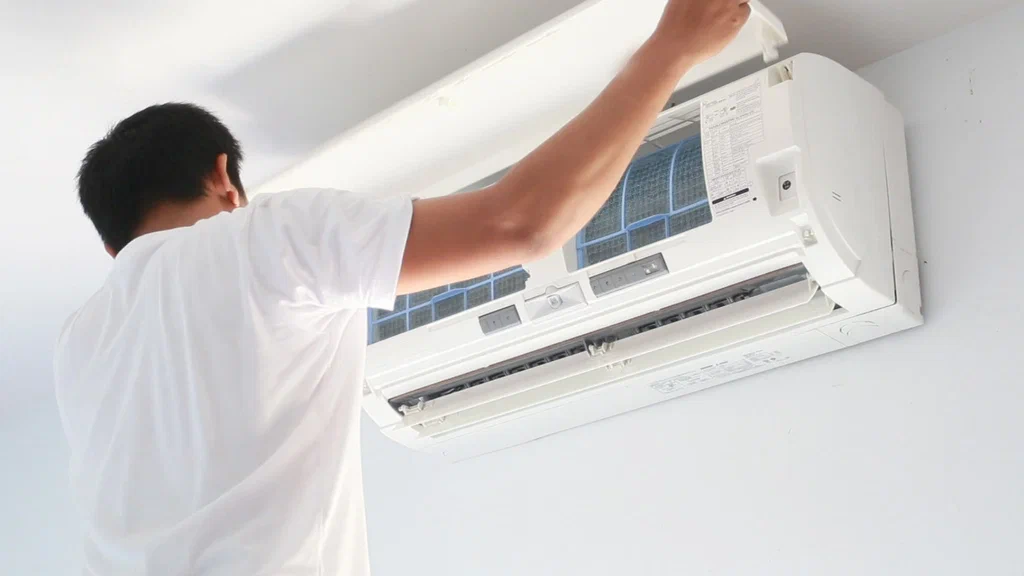
Why choose professional air conditioner repair in Irqah instead of a YouTube fix or an unlicensed handyman? Because refrigerant systems and live electrical wiring punish shortcuts, and a mistake here does not just cost money, it can cost your safety or your unit entirely. This article lays out exactly what professional AC repair gets you that a DIY attempt or unverified technician cannot, and why that difference matters most during Riyadh’s brutal summer months. Why Does Professional AC Repair Matter More Than a Quick Fix? Professional AC repair matters because a licensed technician diagnoses the actual cause of a problem instead of just silencing the symptom, which prevents the same issue from returning within weeks. A quick fix might get cool air flowing again for a day or two, but it rarely addresses what caused the failure in the first place. A licensed technician is someone formally trained and authorized to handle refrigerant, electrical connections, and pressurized components safely. What experienced technicians see constantly is homeowners who patched a refrigerant leak with a temporary sealant, only to call back a month later once the same leak reopens under pressure. The professional route costs more upfront but almost always costs less over a full year of use. What Risks Come with DIY or Unlicensed AC Repair? DIY or unlicensed AC repair carries real risks including electrical shock, refrigerant exposure, voided warranties, and damage that turns a simple fix into an expensive replacement. Refrigerant gas is not something to handle casually, since improper release or mishandling can cause frostbite on skin contact or, in rare cases, toxic exposure in enclosed spaces. Here is what commonly goes wrong with non-professional repairs: Most manufacturers, including major brands sold across Riyadh, explicitly require certified service for warranty claims to remain valid. Opening the unit yourself, even for something as small as a filter swap gone wrong, can forfeit that protection entirely. Licensed. Trained. Trusted. Don’t Risk It, Get Professional AC Repair in Irqah AC Doctor Riyadh sends licensed technicians who diagnose the real problem, protect your manufacturer warranty, and handle refrigerant and electrical work safely, so you never have to gamble with a DIY fix. ✅ Certified, trained technicians ✅ Warranty-safe repairs ✅ Correct diagnosis, first visit ✅ Safe refrigerant & electrical handling 📞 Call +966 54 252 8346 🌐 Book a Licensed Technician Serving Irqah and all of Riyadh · Certified technicians only What Does a Professional AC Technician Actually Check? A professional AC technician checks refrigerant pressure, electrical connections, airflow, drainage, and overall system performance using calibrated tools, not guesswork. This full-system approach is what separates a real diagnosis from a surface-level patch. Refrigerant Pressure Testing Technicians use a gauge to measure refrigerant pressure against manufacturer specifications, which tells them whether the system has the right charge or a hidden leak. Guessing at refrigerant levels by feel or sound simply is not reliable. Electrical Safety Checks A professional visit includes testing capacitors, wiring connections, and circuit load, since electrical faults are one of the leading causes of AC fires reported in residential buildings across Saudi Arabia during peak summer months. This step alone justifies calling a licensed technician over attempting a DIY fix. Airflow and Drainage Inspection Technicians check that air moves freely through the coil and that the condensate drain flows without blockage, since both issues cause cascading problems if ignored. A blocked drain, for example, often shows up weeks later as a water stain on the ceiling, long after the original visit. How Does Professional Repair Compare to DIY Fixes Over Time? Professional repair costs more upfront but typically saves money and hassle over a year compared to repeated DIY fixes, since a correct diagnosis the first time prevents the callback cycle that eats up both time and cash. Factor Professional Repair DIY or Unlicensed Fix Root cause diagnosis Identified using proper tools Often guessed or skipped Warranty protection Preserved Frequently voided Safety risk Minimal, trained handling Higher, especially with electrical or refrigerant work Repeat failure rate Lower Higher, since symptoms get patched, not fixed Upfront cost Higher Lower Long-term cost Often lower overall Often higher due to repeat visits or damage Looking at this table, the pattern is clear: professional repair trades a slightly higher upfront cost for a much lower chance of paying for the same problem twice. When Is It Actually Safe to Handle AC Maintenance Yourself? It is safe to handle basic AC maintenance yourself when the task involves no refrigerant, no electrical wiring, and no pressurized components, such as cleaning the outdoor unit’s exterior or replacing an accessible air filter. Tasks that are generally fine to do without a professional: Everything beyond this list, refrigerant work, internal wiring, coil cleaning, or compressor issues, belongs with a licensed technician. What most beginners overlook is that even “just checking” refrigerant levels requires connecting gauges to a pressurized line, which is not a beginner task under any circumstance. FAQs Frequently Asked Questions Common questions about professional AC repair in Irqah, answered straight. Is professional AC repair really necessary for a simple no-cooling issue? Often yes, since “no cooling” can stem from a dozen different causes ranging from a blown capacitor to a refrigerant leak, and a professional diagnosis avoids guessing your way through parts. Does calling a professional void my chance to try a DIY fix first? No, but attempting an unauthorized repair first can void your manufacturer warranty, so it usually makes more sense to call a licensed technician before opening the unit yourself. How can I tell if a technician in Irqah is actually licensed? Ask for their certification number or company registration, and check that the company has a verifiable address and consistent reviews from the local area. Is professional AC repair worth it for older units? Yes, since older units often have more subtle faults that a trained technician can catch early, potentially extending the unit’s life by several more years. What happens if I ignore a warning sign like a strange AC noise?
Affordable Air Conditioner Repair in Irqah, Fast!
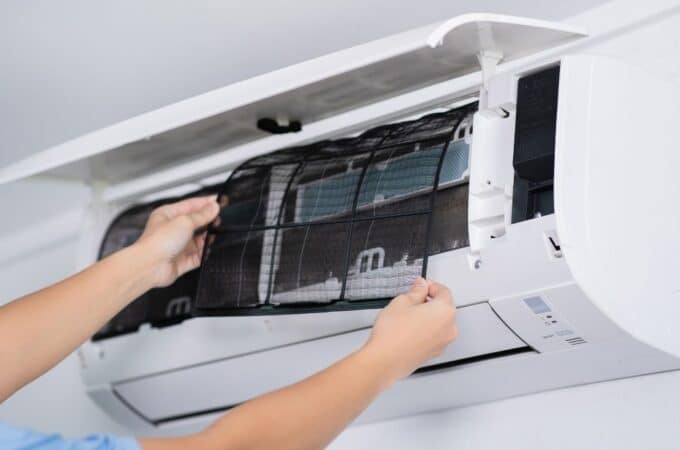
Affordable air conditioner repair in Irqah does not mean cutting corners, it means paying a fair price for honest diagnosis and a fix that actually lasts. Too many Riyadh homeowners equate “cheap” with “risky,” when the real goal is value: a technician who charges fairly, explains the problem clearly, and does not upsell parts you do not need. This guide shows you how to get expert AC repair near you in Irqah without overpaying or gambling on quality. Fair Pricing, Real Expertise Get Affordable AC Repair in Irqah, Done Right AC Doctor Riyadh sends certified technicians to your door with honest, itemized pricing and no hidden charges. You get a fair quote before we touch your unit, genuine parts, and a warranty that backs every repair. ✅ Written quote before any work ✅ No hidden diagnostic fees ✅ Certified local technicians ✅ Free follow-up within warranty 📞 Call +966 54 252 8346 🌐 Get a Free Quote Serving Irqah and all of Riyadh · Honest pricing, every visit What Does Affordable Air Conditioner Repair in Irqah? Affordable AC repair in Irqah means paying a price that matches the actual parts and labor involved, not the lowest number on the market. A rock-bottom quote often signals corners being cut somewhere, whether that is unlicensed labor, counterfeit parts, or a rushed diagnosis that misses the real issue. Fair pricing is a cost that reflects the technician’s time, the parts used, and the complexity of the job, without hidden markups. What actually keeps repair costs down over time is not chasing the cheapest quote each time, it is building a relationship with one reliable technician who knows your unit’s history. Repeat customers often get faster diagnostics because the technician already knows what has been fixed before. Here is what separates truly affordable service from a service that just looks cheap upfront: Pricing Guide AC Repair & Maintenance Prices in Irqah, Riyadh Transparent, upfront pricing with no hidden charges. Final cost depends on brand, unit size, and accessibility. Service Price Range (SAR) Frequency Filter cleaning / replacement 50 – 150 Every 3-6 months General inspection & cleaning 100 – 250 Every 3-4 months Capacitor / fan motor replacement 200 – 500 As needed Refrigerant leak repair & refill 500 – 1,200 Rare, if leak-free Compressor replacement 1,000 – 2,500+ Only for older units New split AC installation 800 – 2,000 (labor only) One-time * Prices vary based on AC brand, cooling capacity, and unit accessibility. Ask for a written quote before work begins. How Do You Find Expert AC Technicians Near You in Irqah? You find expert Affordable air conditioner repair in Irqah by checking local reviews, confirming certifications, and calling at least two companies to compare their diagnostic approach before booking either one. Check Local Reviews First Reviews from actual Irqah or nearby Riyadh neighborhoods tell you more than generic five-star ratings from unclear locations. Look for reviews that mention specific details like response time or the technician’s name, since generic praise is easy to fake. Confirm Certification and Experience A certified technician has formal training in refrigerant handling and electrical safety, both regulated skills in Saudi Arabia. Ask directly how many years the company has serviced split or central units similar to yours, since experience with your exact system type matters more than years in business overall. Compare Diagnostic Approaches by Phone A good technician asks a few questions over the phone before quoting a rough price range, like the unit’s brand, age, and symptoms. If a company quotes a flat number without asking anything, that is usually a sign they price by guesswork, not diagnosis. How Can You Get Affordable Air Conditioner Repair in Irqah Without Overpaying? You avoid overpaying for AC repair by getting a written quote before work starts, asking for an itemized breakdown, and confirming the warranty terms in writing before the technician leaves. Follow this checklist every time you book a repair: What most people miss is the diagnostic fee question. Some companies charge a inspection fee even if you decline the repair, while others waive it if you go ahead, and asking upfront avoids an awkward surprise. Affordable Air Conditioner Repair in Irqah: Fair Pricing, Real Expertise Our latest guide breaks down what genuinely affordable AC repair looks like in Irqah, itemized pricing, certified diagnosis, and how to avoid overpaying without gambling on quality. Here’s what you’ll learn before you book your next technician. Affordable does not mean cheap. It means a fair quote for real refrigerant leak repair, an honest compressor diagnosis, and a certified technician who explains the fault before touching your split AC unit. This guide covers pricing, warranty terms, and how to spot the difference between a fair quote and a corner-cutting one. What the guide covers ✓How to read an itemized invoice for labor and parts ✓Why the lowest quote isn’t always the fair one ✓What affects AC repair cost: brand, age, accessibility, refrigerant type ✓How to find certified local technicians near Irqah ✓A pre-booking checklist to avoid overpaying ✓How often to schedule preventive maintenance to cut long-term costs Pricing at a glance Filter cleaning 50 to 150 SAR Inspection & cleaning 100 to 250 SAR Capacitor / fan motor 200 to 500 SAR Refrigerant leak & refill 500 to 1,200 SAR Compressor replacement 1,000 to 2,500+ SAR AC repair Irqah affordable AC repair split AC unit refrigerant leak repair compressor replacement certified technicians itemized pricing AC maintenance Riyadh Read the full pricing guide See the complete cost breakdown, the questions to ask before booking, and how to tell a fair quote from a corner-cutting one, before your next AC repair in Irqah. 📖 Read the Full Guide 📞 Call +966 54 252 8346 Serving Irqah and all of Riyadh, honest pricing every visit What Affects the Cost of AC Repair in Riyadh? The cost of AC repair in Riyadh depends mainly on the type of fault, the AC brand, unit age, and how accessible the outdoor unit is for
Best Air Conditioner Repairing Company in Irqah, Riyadh
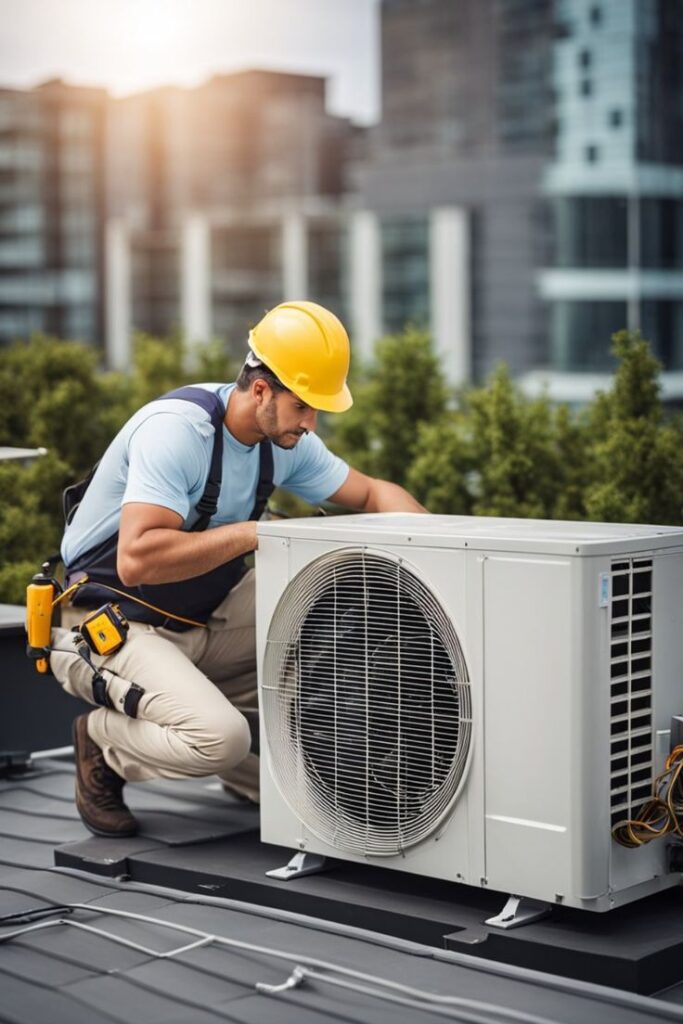
The best air conditioner repairing company in Irqah is the one that shows up fast, diagnoses the real problem instead of guessing, and stands behind its work with a written warranty. Riyadh summers push AC units past 45 degrees Celsius for months at a time, and a unit that limps along in June usually fails completely by August. This guide walks you through what real AC repair, maintenance, and installation should look like in Irqah, so you can spot a trustworthy technician before you hand over your keys. What Makes a Company the Best Air Conditioner Repairing Company in Irqah? The best air conditioner repairing company in Irqah combines four things: licensed technicians, same-day response, transparent pricing, and genuine spare parts. Anyone can carry a toolbox and call themselves an AC expert. What separates a real professional from a side hustler is accountability. A licensed technician is someone certified to work on refrigerant systems and electrical wiring safely, which matters in Saudi Arabia since gas handling without training is both risky and, in some cases, against municipal regulations. Here is what to check before booking anyone: What most homeowners overlook is response time. A company that says “we’ll try to come tomorrow” during a heatwave is telling you they are overbooked, which usually means rushed, careless work once they do arrive. Why Does Your AC Need Regular Maintenance in Riyadh’s Climate? Your AC needs maintenance every three to four months in Riyadh because dust storms and extreme heat wear down components far faster than in milder climates. Skipping maintenance does not just risk a breakdown, it quietly raises your electricity bill every single month. Preventive maintenance is scheduled servicing done before anything breaks, aimed at catching small issues while they are still cheap to fix. Riyadh’s dust is finer and more frequent than in most cities, and it settles into the coil and filter within weeks. A dirty coil forces the compressor to work harder, and a compressor that overheats repeatedly burns out months ahead of schedule. In practice, units that get serviced every quarter in Riyadh last noticeably longer than units serviced once a year. The Saudi Energy Efficiency Center has noted that air conditioning accounts for a large share of residential electricity use nationwide, and a poorly maintained unit can use 20 to 30 percent more power than a clean, well-tuned one. Skip maintenance long enough and you are not saving money, you are financing a bigger repair bill later. Trusted AC Service in Riyadh Need AC Repair, Maintenance, or Installation in Irqah? AC Doctor Riyadh sends licensed technicians to your door with same-day service, genuine spare parts, and a written warranty on every repair. Don’t wait for a breakdown in peak summer heat, book a certified expert today. ✅ Same-day AC repair ✅ Licensed technicians ✅ Genuine spare parts ✅ Written service warranty 📞 Call +966 54 252 8346 🌐 Book Service Online Serving Irqah and all of Riyadh · Available 7 days a week What Are the Most Common Air Conditioner Problems in Irqah Homes? The most common AC problems in Irqah homes are refrigerant leaks, clogged filters, frozen coils, and drainage blockages, almost all of which trace back to dust and heat stress rather than manufacturing defects. Refrigerant Leaks Refrigerant is the chemical that absorbs heat from your indoor air and releases it outside. A slow leak shows up as an AC that runs constantly but never quite cools the room, and it usually points to a cracked line or a worn valve rather than a “low gas” issue you can just top up and forget. Clogged Filters A clogged filter blocks airflow, which forces the system to run longer for weaker results. This is the easiest fix on this list, and honestly, the one most people ignore the longest. Frozen Evaporator Coils When the coil freezes over, it usually means airflow is restricted somewhere upstream, often a dirty filter or a fan that is struggling. Ice on an AC unit is a warning sign, not something you should let melt off and hope it does not come back. Drainage Blockages Condensate drains clog with algae and dust over time, and once they back up, water starts leaking into the wall or ceiling near the indoor unit. Anyone who has seen a water stain spread across a Riyadh apartment ceiling knows this one gets expensive fast if it is ignored. How Much Does AC Repair Cost in Riyadh? AC repair in Riyadh typically costs between 100 and 800 Saudi riyals for common issues like filter cleaning, capacitor replacement, or minor refrigerant top-ups, while bigger jobs like compressor replacement or full gas recharge can run from 800 to over 2,000 riyals depending on the unit’s size and brand. Here is a general breakdown based on typical service calls across Riyadh neighborhoods including Irqah: Service Typical Cost Range (SAR) How Often Needed General inspection and cleaning 100 – 250 Every 3-4 months Filter replacement 50 – 150 Every 3-6 months Capacitor or fan motor replacement 200 – 500 As needed Refrigerant top-up (minor leak) 300 – 600 Rare, if leak-free Full refrigerant recharge and leak repair 600 – 1,200 Rare Compressor replacement 1,000 – 2,500+ Only for older units New split AC installation 800 – 2,000 (labor only) One-time Prices swing based on unit brand, cooling capacity in tons, and whether parts need to be imported. Split units, which are the two-piece AC systems common in most Irqah apartments, generally cost less to service than centralized ducted systems. What experienced technicians will tell you is that the real cost of AC repair is not the invoice, it is the price of delay. A 150 riyal filter change today prevents a 1,500 riyal compressor replacement in a year. How Do You Choose the Right AC Repair Company Near You? You choose the right AC repair company by comparing at least three quotes, checking their warranty terms, and confirming they specialize in your unit’s brand before you commit
Air Conditioner Repair in Riyadh | Fast & Reliable Service
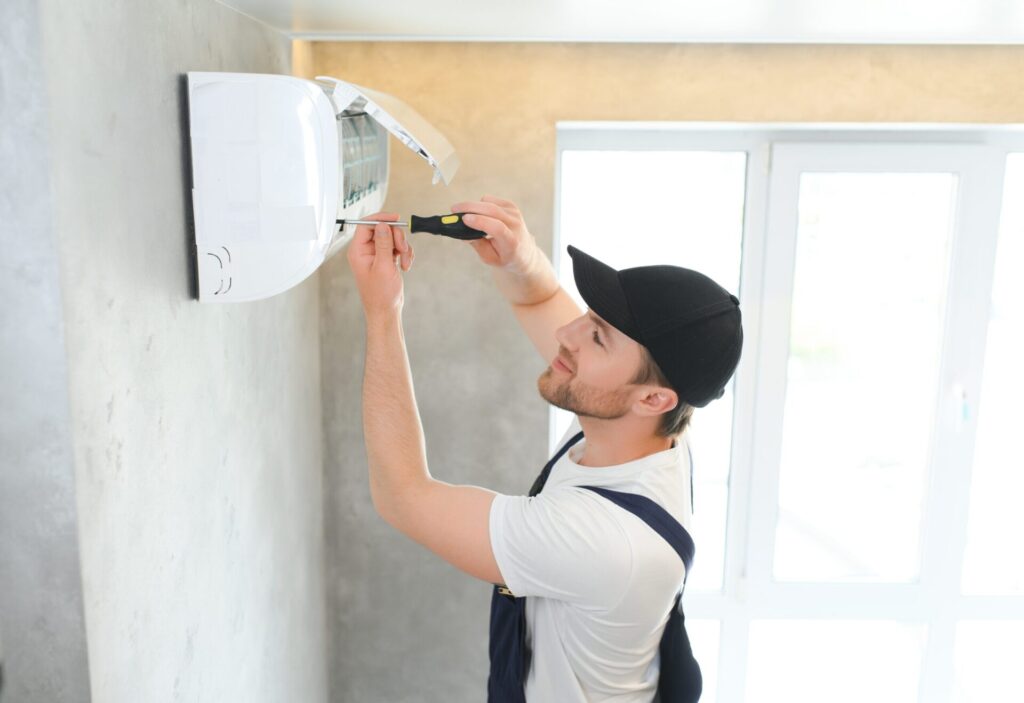
Air conditioner repair in Riyadh is not just a convenience in a city where summer temperatures regularly cross 45°C, a working AC is a daily necessity. Whether your unit stopped cooling, started making strange noises, or simply refuses to turn on, getting it fixed quickly matters. This guide covers everything you need to know: common AC problems, repair costs, what to look for in a technician, and how to prevent expensive breakdowns. Why Is Air Conditioner Repair So Important in Riyadh? Riyadh’s extreme desert heat makes air conditioning absolutely essential for homes, offices, and commercial spaces. Without a functioning AC, indoor temperatures can become dangerous within hours. Air conditioners in Riyadh work under severe stress. They run 10 to 16 hours a day during peak summer months, which accelerates wear and tear on every component. Dust storms add another layer of challenge, clogging filters and coils faster than in most other cities. Ignoring a small problem today often leads to a full system breakdown tomorrow. A refrigerant leak caught early costs a fraction of a compressor replacement. That is why regular maintenance and timely repairs are not optional in Riyadh — they are smart, cost-saving decisions. What Are the Most Common AC Problems in Riyadh? The most common air conditioner problems in Riyadh include refrigerant leaks, clogged filters, frozen coils, faulty capacitors, and thermostat issues. Each of these has clear warning signs you can spot early. AC Not Cooling Properly This is the number one complaint. If your AC runs but the room stays warm, the likely causes are: A certified technician should inspect and test refrigerant pressure before adding any gas. Simply topping up without fixing the leak is a waste of money. AC Making Loud or Unusual Noises Banging, rattling, or grinding sounds almost always mean a mechanical issue inside the unit. Never ignore unusual sounds. They rarely fix themselves and almost always get worse. AC Leaking Water Water dripping from your indoor unit is a sign of a clogged condensate drain line or a frozen evaporator coil that is thawing. Both are fixable quickly but should not be left unattended since water damage to walls and ceilings can become expensive. AC Not Turning On This usually points to an electrical issue. Common causes include: Always check your circuit breaker first. If the breaker trips again after resetting, call a technician — do not keep resetting it. AC Running but Room Stays Humid If your AC cools but the air feels sticky, the unit may be undersized for the room, or the evaporator coil is dirty. In Riyadh, where dust accumulates quickly, dirty coils are extremely common and easy to clean. ✅ Certified Technicians 🌡️ AC Repair in Riyadh? Fast response • Affordable rates • Same-day service available ⚡ Same-day repair 🕐 24/7 emergency 🧾 Transparent pricing 🔧 All AC brands 🏆 30-day warranty 🏠 Home visits Get in touch with our AC specialists right now: 💬 WhatsApp Us 📞 Call Now 📞 +966 542 528 346 | Available across Riyadh | Serving homes, villas & offices How Much Does AC Repair Cost in Riyadh? AC repair costs in Riyadh typically range from SAR 150 to SAR 500 depending on the problem, the type of unit, and the parts required. Repair Type Estimated Cost (SAR) AC Inspection / Diagnosis 50 – 100 Filter Cleaning 80 – 150 Refrigerant Recharge 200 – 400 Capacitor Replacement 150 – 300 Thermostat Replacement 100 – 250 Compressor Repair 800 – 2,500 Full AC Service Package 250 – 600 Costs vary by brand, unit type (split, central, window), and the company you hire. Always ask for a written quote before any work begins. What Types of AC Systems Are Serviced in Riyadh? Certified AC technicians in Riyadh service all major types of air conditioning systems used in homes, villas, offices, and commercial buildings. Split AC (Wall-Mounted) The most common type in Riyadh homes. Split units have an indoor air handler and an outdoor compressor. They are relatively straightforward to repair and maintain. Central AC (Ducted Systems) Common in large villas, apartment complexes, and commercial buildings. Repairs can be more complex since problems may exist in the ducts, air handler, or outdoor unit. Window AC Older and less common now but still found in many apartments and older buildings. These self-contained units are generally the least expensive to repair. Cassette AC (Ceiling-Mounted) Common in commercial spaces like offices and shops. These units are installed in the ceiling and distribute air in all four directions. They require specialized technicians. Package Units and Rooftop Systems Used in industrial facilities and large commercial properties. These heavy-duty systems require experienced HVAC engineers for repair and maintenance. How Often Should You Service Your AC in Riyadh? You should service your air conditioner at least twice a year in Riyadh — once before summer (April) and once before winter (October). A standard annual service schedule looks like this: Pre-Summer Service (March – April): Pre-Winter Service (October – November): What Should You Look for in a Good AC Repair Company in Riyadh? A reliable AC repair company in Riyadh should have certified technicians, transparent pricing, a warranty on repairs, and fast response times. Here is a quick checklist to evaluate any AC service provider before you book: Avoid companies that demand full payment upfront or refuse to provide a written breakdown of costs. Should You Repair or Replace Your AC in Riyadh? Repair your AC if it is under 8 years old and the repair cost is less than 40% of the price of a new unit. Replace it if the unit is older than 10 years, needs frequent repairs, or has a failed compressor. Use this simple rule: if the repair cost exceeds half the price of a new equivalent unit and the AC is more than 8 years old, replacement is almost always the smarter investment. Newer units are significantly more energy-efficient. According to the Saudi Energy Efficiency Center (SEEC), upgrading to a 5-star rated inverter AC can
AC Technician Dhahrat Laban Riyadh: Trusted Repairs
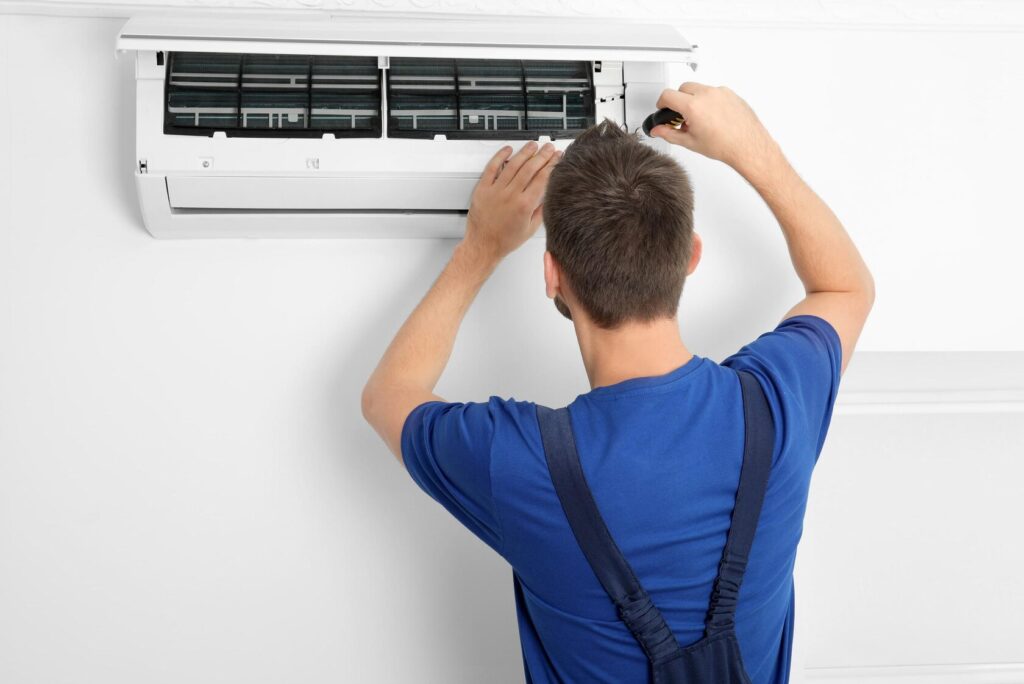
Finding a dependable AC technician Dhahrat Laban Riyadh shouldn’t take all day, especially when your unit dies in the middle of summer. Whether you need a quick gas refill, a full compressor repair, or a brand new installation, the right technician can save you hours of frustration and hundreds of riyals in wasted money. This guide walks you through exactly what to expect, what to ask, and how to spot a technician who actually knows what they’re doing. Who Counts as a Qualified AC Technician in Dhahrat Laban Riyadh? A qualified AC technician in Dhahrat Laban Riyadh is someone trained and experienced in diagnosing, repairing, installing, and maintaining air conditioning systems, ideally with a license and proven track record in the local climate. Not every person who shows up with a toolbox fits that description. Riyadh’s heat puts unique stress on AC units that technicians in milder climates rarely deal with. A good local technician understands: What works in practice is asking a technician how many years they’ve worked specifically in Riyadh, not just in the AC trade generally. Someone who’s spent five years fixing units in this exact climate will spot problems faster than someone who learned the trade somewhere cooler. What Services Does an AC Technician in Dhahrat Laban Riyadh Provide? A full-service AC technician in Dhahrat Laban Riyadh handles diagnosis, repair, gas refill, installation, and ongoing maintenance for split, window, and central AC systems. Most reliable local providers bundle all of these under one service call. Here’s what’s typically included: Most homes in Dhahrat Laban run split AC units, so split AC repair makes up the bulk of daily service calls. If you’re dealing with a central or ducted system, ask upfront whether the technician has specific experience with that setup, since the diagnostic process differs quite a bit. AC Repair Promo – Dhahrat Laban Riyadh ⚡ Dhahrat Laban, Riyadh AC Broken in This Heat?We Are Here to Fix It! Fast, affordable, and trusted air conditioner repair services in Dhahrat Laban Riyadh. Same-day service available. Licensed technicians. All brands covered. Message Us on WhatsApp Call Us Now Same-Day Service Book today, fixed today Licensed Technicians Certified and experienced team 6-Month Warranty Parts and labor guarantee 24/7 Emergency Available even late at night Special Offers for Dhahrat Laban Limited time deals — Call or WhatsApp to avail SAR 99 starting AC Deep Cleaning Filter + coil + sanitization included FREE inspection Fault Diagnosis No hidden charges — honest quote upfront SAR 249 /unit Annual Maintenance 2 visits/year + priority support Book Your Deal on WhatsApp Our Trusted Brand Partners Samsung LG Daikin Carrier Gree Midea Trane Panasonic How Do I Find the Best AC Repair Company in Riyadh? The best AC repair company in Riyadh combines local experience, transparent pricing, fast response time, and a written warranty on both parts and labor. Speed matters here more than in most cities because summer breakdowns can turn dangerous fast. What to Check Before You Book Factor Why It Matters Years serving Riyadh specifically Local heat and dust create unique wear patterns Response time Emergency AC repair often needed within hours, not days Brand experience Samsung, LG, Daikin, Gree all repair differently Written quote before work Avoids surprise charges after the job’s done Parts and labor warranty Minimum 3 months, ideally 6 to 12 Real customer reviews Google Maps reviews are harder to fake than website testimonials A mistake a lot of people make is choosing whoever shows up first without checking any of this. That can work out fine, but it’s a gamble, and a bad compressor repair can cost you double once you factor in the second visit to fix the first technician’s mistake. Why Is My AC Not Cooling and Who Can Fix It Fast? Your AC isn’t cooling properly because of low refrigerant, a dirty filter, a failing compressor, or blocked condenser coils, and a same-day AC repair technician can usually diagnose the exact cause within 30 minutes. These four issues account for the vast majority of cooling complaints in Riyadh homes. 1. Low Refrigerant Refrigerant is the chemical inside your AC that absorbs heat from indoor air and releases it outside. When it runs low, usually from a slow leak, cooling power drops noticeably. An AC gas refill fixes the symptom, but a good technician finds and seals the leak first, or you’ll be back here again in a few months. 2. Dirty Air Filter Dust builds up fast in Riyadh. A clogged filter blocks airflow and forces the system to work harder for less cooling. This is the cheapest problem to fix, and honestly, the one most homeowners can prevent themselves by cleaning the filter monthly. 3. Failing Compressor The compressor pumps refrigerant through the system, and when it starts to go, you’ll hear the unit running but feel barely any cold air. AC compressor repair costs typically range from SAR 800 to SAR 2,500 depending on the unit size and brand, according to local market pricing observed across Riyadh service providers in 2025 and 2026. 4. Blocked Condenser Coils The outdoor unit releases heat through its coils. When they’re caked in dust, which happens fast in this region, the system can’t release heat efficiently, even if everything else works fine. How Much Does AC Installation Cost in Dhahrat Laban Riyadh? AC installation in Dhahrat Laban Riyadh typically costs between SAR 400 and SAR 900 in labor for a standard split unit, not including the price of the unit itself. Costs go up for ducted or central systems due to the extra wiring, ductwork, and labor hours involved. What Installation Includes A common mistake homeowners make is buying a unit that’s too small to save money upfront. The rough rule is about 600 BTU per square meter of room space. A 20 square meter bedroom typically needs at least a 1.5-ton unit to cool properly, especially with Riyadh’s intense afternoon sun. How Often Should AC Maintenance Services Happen in Riyadh? AC maintenance services should
The AC Technician Irqah Homes Actually Need. Here’s What That Looks Like
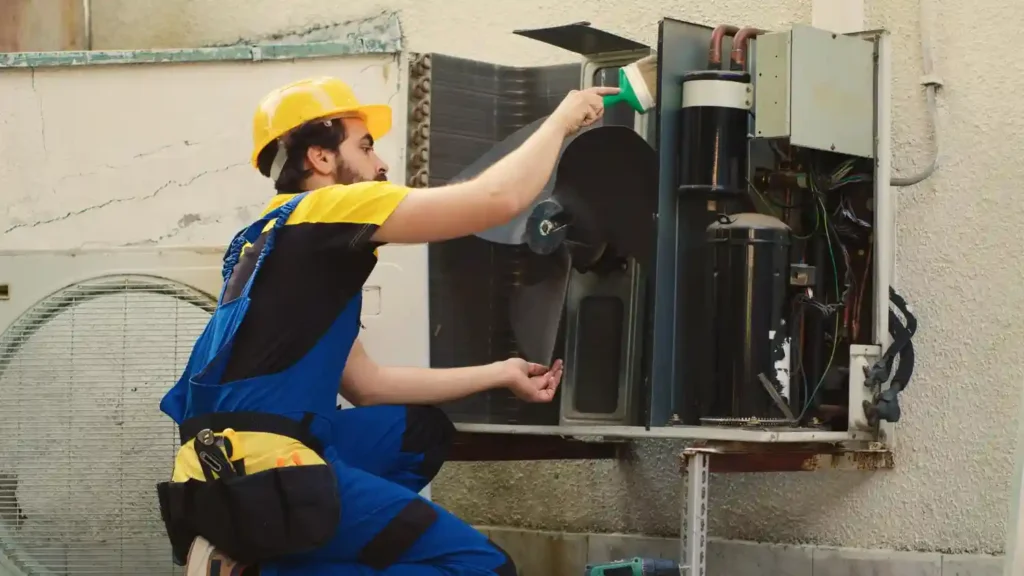
Most AC technicians in Irqah top up the gas and leave. The leak stays, the problem comes back and you pay twice. Here’s what a proper technician visit actually looks like.
AC Repair Services in Al Malqa Riyadh | Fast & Reliable
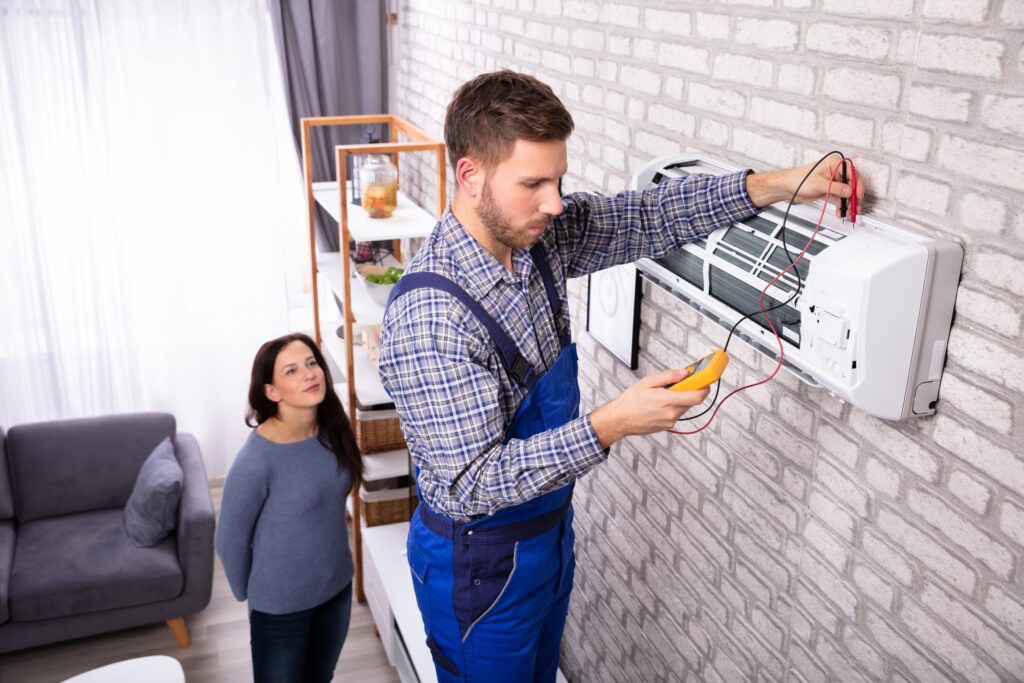
Air conditioner repair services in Al Malqa Riyadh are available 7 days a week, with same-day response for urgent breakdowns. Whether your AC is leaking, not cooling, making strange noises, or just running up your electricity bill, the right local technician can diagnose and fix the problem fast. In this guide, you will learn what to look for, what the repair process looks like, and how to keep your unit running efficiently all year. What Are the Most Common AC Problems in Riyadh? The most common air conditioner problems in Riyadh include insufficient cooling, refrigerant leaks, dirty filters, electrical faults, and compressor failures. Riyadh’s extreme summer heat puts enormous pressure on AC units, and these issues tend to appear faster than in milder climates. Top AC Problems Homeowners Report Most beginners overlook this, but short cycling (when your AC turns off and on every few minutes) is often an early sign of a refrigerant leak or an oversized unit. Catching it early saves money on both repairs and electricity. How Do Professional AC Repair Services in Al Malqa Riyadh Work? A professional AC repair service in Al Malqa Riyadh starts with a full system inspection, followed by diagnosis, transparent pricing, and then the actual repair. Certified technicians bring the right tools and spare parts so most jobs get completed in a single visit. Step-by-Step Repair Process What Does AC Repair Cost in Al Malqa Riyadh? Air conditioner repair costs in Al Malqa Riyadh typically range from SAR 80 to SAR 800 depending on the type of fault, the brand, and the parts needed. Simple fixes like filter cleaning or gas top-up cost less; compressor replacements or full PCB repairs sit at the higher end. Typical Cost Ranges (2025-2026 Market Rates): What works in practice is getting two or three quotes before committing to a major repair. Reputable services in Al Malqa offer free inspection visits or waive the inspection fee if you go ahead with the repair. DIY vs. Professional AC Repair: Which One Should You Choose? For most AC problems in Riyadh, professional repair is safer and more cost-effective than DIY. Refrigerant handling requires certification by law, and electrical faults in AC units carry real safety risks if handled incorrectly. Issue DIY Approach Professional Service Gas Leak / Refrigerant Risky, may cause harm Safe detection and refill by certified tech Compressor Failure Not fixable at home Full diagnosis and replacement Electrical Faults Shock hazard Proper rewiring and safety check Dirty Coils / Filters Can clean filters yourself Deep cleaning with specialized tools Thermostat Issues Basic reset possible Full calibration and sensor check Strange Noises Hard to identify cause Root-cause diagnosis and fix Why Is AC Maintenance Important in Al Malqa Riyadh? Regular AC maintenance in Al Malqa Riyadh reduces the chance of a major breakdown by up to 70%, according to HVAC industry reports from 2025. In a city where temperatures exceed 45 degrees Celsius in summer, a well-maintained unit is not a luxury; it is a necessity. Key Benefits of Scheduled Maintenance Schedule at least two maintenance visits per year: one before summer begins (March-April) and one after the heavy-use season ends (October-November). AC repair promotional section for Al Malqa Riyadh ⭐ AC Repair Specialists — Al Malqa, Riyadh Complete AC Repair &Maintenance Services Certified technicians. Same-day response. 7 days a week. Same-day service 90-day warranty HVAC certified Transparent pricing AC Repair All faults fixed in a single visit Gas Refill Refrigerant recharge by certified techs Deep Cleaning Coil & filter cleaning for peak efficiency AMC Contracts Annual plans with priority response PCB & Parts Control board repair & spare parts All Brands Gree, LG, Samsung, Daikin & more Call us +966 542 528 346 WhatsApp Chat with us now Website acdoctorriyadh.com Starting from SAR 80 — Free inspection with every repair WhatsApp Call now How Do You Choose the Right AC Repair Service in Al Malqa Riyadh? Choose an AC repair service in Al Malqa Riyadh that is licensed, offers a written warranty on parts and labor, and has verifiable customer reviews. Avoid companies that quote very low prices over the phone before seeing the unit. Checklist: What to Look for in an AC Technician Which AC Brands Are Most Commonly Serviced in Al Malqa Riyadh? Technicians in Al Malqa Riyadh regularly service all major AC brands available in Saudi Arabia, including Gree, Midea, Samsung, LG, Carrier, Daikin, Toshiba, and General. Most experienced HVAC companies carry spare parts for these brands in their service vans. Frequently Asked Questions Q: How quickly can a technician arrive in Al Malqa Riyadh? Most AC repair services in Al Malqa offer same-day visits, with arrival windows of 1 to 4 hours after booking. During peak summer months (June through August), slots fill up fast, so book as early in the day as possible. Q: Is it better to repair or replace my old AC unit? If the repair cost is more than 50% of the price of a new unit, or if the AC is older than 10 years, replacement usually makes more financial sense. A technician can help you weigh the cost and energy efficiency difference. Q: How often should I clean or service my AC in Riyadh? Clean or replace filters every 4 to 6 weeks during heavy-use months. Get a full professional service twice a year, before and after summer. Q: Why is my AC cooling but not lowering the room temperature? This usually means the AC is low on refrigerant, the coils are dirty, or the unit is undersized for the room. A gas refill combined with a coil cleaning often solves this in 80% of cases. Q: Do repair services in Al Malqa Riyadh offer a warranty? Yes, reputable services provide a warranty of 30 to 90 days on both parts and labor. Always ask for this in writing before work begins. Q: Can I get an AC maintenance contract in Al Malqa Riyadh? Yes. Many HVAC companies offer annual maintenance contracts that include 2
Your AC Died Tonight in Irqah. Here’s What to Do Right Now

It’s 9 PM. The AC stopped an hour ago. The room is already at 32°C and climbing. You have kids in the house, the windows don’t help and every hour you wait makes the night worse. When that happens, you don’t need a booking form and a 3-day wait. You need emergency AC repair in Irqah that picks up the phone right now and gets a technician moving. AC Doctor Riyadh by Muhammad Nabeel runs a 24/7 emergency response across Irqah. You call, someone answers and a technician heads out. Same evening, same night, same day. Why AC emergencies always happen at the worst time It’s not bad luck. There’s a mechanical reason evening failures are so common in Riyadh summers. The outdoor unit spends all afternoon fighting 45°C heat. By 4 PM the compressor has been running near its thermal limit for 6 straight hours. The capacitor that was already weak from last summer is now cycling on and off under maximum load. Something gives. And it almost always gives between 5 PM and 10 PM, right when the family is home and expecting a cool house. That’s not a coincidence. That’s a unit that needed a service in April running into July without one. The afternoon heat is just what finally tips it over. In Irqah specifically, the villas run multiple split units off the same supply. When all of them fire up together after sunset, the load spike hits every tired capacitor and loose terminal at once. One unit going down in that moment is the most common emergency call the team gets. When emergency AC calls land in Irqah — by time of day Call volume through a typical July day 5% 6 AM 8% 9 AM 14% 12 PM 18% 3 PM 28% 6 PM 34% 9 PM 22% 12 AM 62% of emergency calls land between 6 PM and midnight. The compressor fights the afternoon peak all day, then fails once the family load kicks in after sunset. The most common emergency AC faults in Irqah Not every AC failure is the same. Some stop cooling completely. Some trip the breaker. Some make a noise and shut off. The fault type tells you what you’re dealing with. Complete loss of cooling. The unit runs, the fan moves air, but nothing is cold. Almost always a compressor fault or major refrigerant loss. The compressor is either struggling to start or has seized completely. This is the most urgent call because leaving it running in a failed state can cause further damage. Unit trips the breaker on startup. The AC starts, the breaker flips and the whole circuit goes dark. Weak capacitor drawing too much current on startup, or an electrical fault in the outdoor unit. Don’t keep resetting the breaker. Each failed startup attempt stresses the compressor further. Outdoor unit running, no airflow indoors. The compressor is working but the indoor fan has stopped. Blower motor failure or a seized fan capacitor. The refrigerant circuit is still running but the air isn’t being pushed through the room, so heat keeps building. Loud grinding or banging noise then shutdown. A fan blade hitting the housing, a loose compressor mount or a failing bearing. The unit protects itself by shutting down. Don’t restart it until a technician has checked what caused the noise. Water flooding from the indoor unit. The drain line has been blocked for a while and the pan has overflowed. Left more than a few hours, the water reaches the circuit board and turns a drain clean into a board replacement. Emergency fault: what to do right now while you wait No cooling, unit running Switch it off at the isolator. Running a failed compressor causes more damage. SWITCH OFF Tripping the breaker Leave the breaker off. Don’t keep resetting it. Each attempt stresses the compressor. LEAVE OFF Grinding noise then shutdown Don’t restart it. A loose component hitting the housing gets worse every cycle. DON’T RESTART Water flooding indoors Switch off the unit and put towels down. The longer it floods, the closer it gets to the board. SWITCH OFF Weak cooling, unit still running Leave it on if it’s still cooling the room partially. Book a same-day visit, not emergency. LEAVE ON What the technician does when he arrives Emergency visits follow the same diagnosis process as standard repair. The technician doesn’t skip steps because it’s 10 PM. Refrigerant pressure checked first, compressor load tested, capacitor reading taken, electrical components inspected, airflow measured at the indoor unit. The fault gets found before anything is touched. You hear what it is and what fixing it costs. Work starts only after your go-ahead. Most emergency faults in Irqah clear in a single visit. The technician carries standard parts on every callout: capacitors, contactors, fuses, common electrical components. If the fault needs a specialty part, you’ll know the timeline before he leaves and the unit gets made safe in the meantime. Emergency AC repair work covered across Irqah: From your call to a cool room: how the response works 1 You call or WhatsApp Someone from the team picks up directly. No call center, no voicemail, no booking form. Minute 0 2 Fault described, technician dispatched Quick questions about what the unit is doing. Technician heads out with the right parts for the likely fault. Minutes 1 to 10 3 Full diagnosis on arrival Pressure check, compressor test, capacitor reading, electrical inspection. Fault confirmed before anything is touched. On arrival 4 Cost confirmed, you approve You hear the fault, the fix and the cost. Work starts only after your go-ahead. Before any work 5 Repair done, performance tested Unit runs through a full cooling cycle. Temperature drop confirmed before the technician leaves. Same visit Emergency repair is the expensive version of maintenance Almost every emergency call comes from a unit that hadn’t been serviced. The compressor that seizes in July was running low on gas since May. The capacitor that failed at 9 PM
Your Split AC in Irqah Stopped Cooling. Here’s the Real Reason Why.
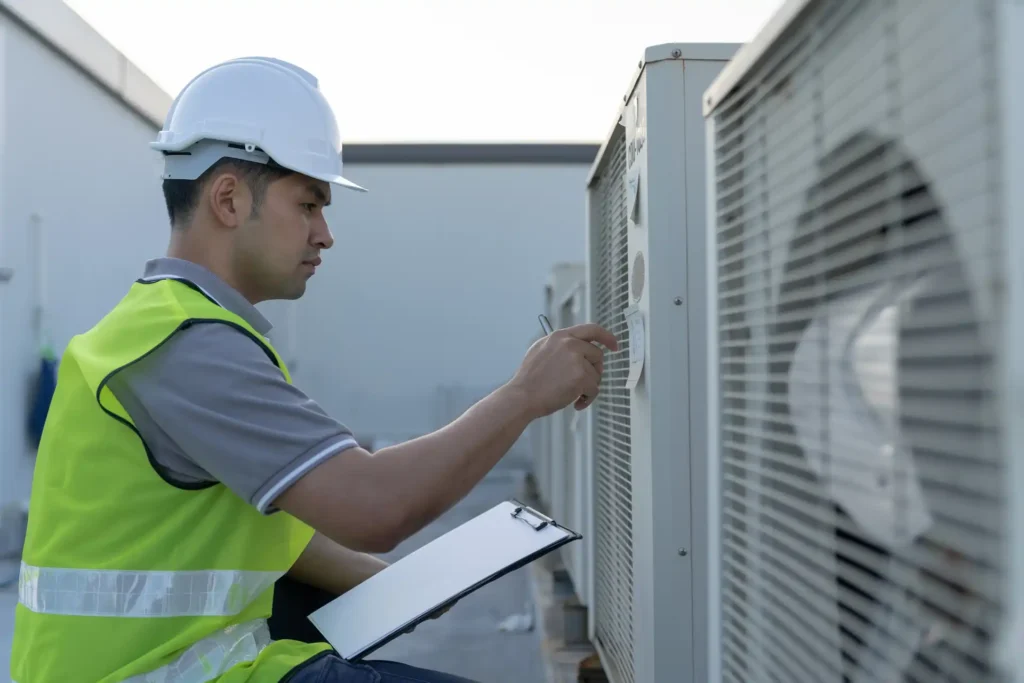
Irqah summers cook your outdoor unit from the moment May lands. Your split AC runs flat out all day, and one evening the air turns warm and the room won’t drop below 38. When that happens, you need split AC repair in Irqah that shows up the same day, finds the actual fault and fixes it properly — not a quick gas top-up that buys you 6 weeks before the same problem comes back. AC Doctor Riyadh by Muhammad Nabeel covers Irqah with technicians available 24/7. Same-day visits. Straight answers. Why split ACs in Irqah fail faster than they should Irqah is mostly villas and residential buildings on the western edge of Riyadh. Outdoor units sit on rooftops and side walls taking full sun from morning through afternoon. The split AC doesn’t get a break from May through September. A unit running 14 to 18 hours a day in 45°C heat starts failing in very predictable ways. Low refrigerant. Gas leaks slowly from a hairline crack in the copper line. The unit keeps running but the cooling drops week by week. Most people blame the heat right up until the compressor, starved of refrigerant for weeks, starts to overheat itself. Clogged filters and coils. Dust in Irqah is heavy. A blocked filter chokes airflow, the compressor overheats and a 5-minute cleaning you skipped in March becomes a real repair bill by July. The AC still turns on. It still pushes air. It just doesn’t cool the room, and most homeowners never trace that back to a dirty filter. Compressor failure. The compressor is the core of every split AC system. Once it goes, the unit hums and blows room-temperature air. Catch the early signs (short cycling, odd noise, warm air while running) at the capacitor stage and you’re looking at a small fix. Wait for the compressor to seize and the bill multiplies. Electrical faults. Capacitors fail, circuit boards burn, wiring corrodes. These show up constantly in units 4 to 5 years old with no service history. A weak capacitor usually means the outdoor unit struggles to start or the whole AC keeps tripping the breaker. One thing specific to Irqah villas: many homes run 2 or 3 split units off the same supply line. When the afternoon heat peaks and all of them fire up together, that load spike hammers the older capacitors and tired wiring. One unit failing in that situation is usually a warning the others aren’t far behind. When each fault type peaks through the year Irqah split AC — fault frequency by season Dirty filters Builds all year, worst by late spring before first service Low gas Slow leak shows up mid-summer when demand is highest Capacitor failure Peaks in June–July when outdoor temps hit max Compressor fault Late summer, after weeks of running on low gas or blocked airflow Drain blockage Monsoon humidity and heavy use spike drain clogs in summer Wiring faults Any season — mostly older units never inspected What happens when the technician arrives A good technician diagnoses before he picks up a screwdriver. At AC Doctor Riyadh the full check comes first: refrigerant pressure on a manifold gauge, compressor load test, capacitor reading, thermostat calibration and airflow measured at the indoor coil. You hear exactly what’s wrong. Then you decide. No work starts until you give the green light. The technician tells you what the fault is, what fixing it involves and what it costs. Then it’s your call. Split AC repair work covered across Irqah: Most jobs finish in a single visit. Standard parts travel with every technician. If yours needs something specialty, you’ll know the timeline before he leaves. Every diagnosis step — and what it checks 1 Refrigerant pressure reading Tells the technician exactly how much gas is left and confirms whether a leak is active. Manifold gauge 2 Compressor load test Checks if the compressor is drawing the right current. High draw means it’s straining. Clamp meter 3 Capacitor reading A weak capacitor is the most common cause of startup failure and short cycling. Capacitance meter 4 Thermostat calibration check Confirms the sensor is reading room temperature accurately and signaling the unit correctly. Digital thermometer 5 Airflow and coil inspection Dirty evaporator coils and blocked filters are measured here. Restriction shows immediately. Visual + anemometer The refrigerant type matters more than most people know Gas filling is the most common call from Irqah. Fan running, unit on, no error code — just warm air. That’s low refrigerant almost every time. People sit with it for weeks running the AC on max, watching the SEWA bill climb while the room stays warm. A slow leak from the last time someone opened the unit is almost always the cause. Refilling without sealing the leak first means you’ll be making the same call in 6 to 8 weeks. The team finds the leak point, seals it and recharges to manufacturer spec. One visit, done properly. Getting the refrigerant type right is not optional. An R22 unit topped up with R410A runs at the wrong pressure and damages the compressor seals over time. The technician checks the model plate before anything goes in. Catch it early or pay for it later Most people call only after the AC stops completely. Understandable — but expensive. The room takes longer to cool than it used to. The outdoor unit picks up a rattle it didn’t have before. The AC short cycles. Water drips from the indoor unit. A burning smell hits on startup. Any one of those is worth a call. A blocked drain line takes 10 minutes to flush. Leave it and the water backs up, soaks through the ceiling, stains the wall and shorts the indoor board. Now you’re paying for a board replacement, a drain clean and a paint job — all from something that cost almost nothing to fix 3 weeks ago. Small fault vs ignored fault — what it becomes CAUGHT EARLY Low gas (week 2)
Getting Your AC Fixed Fast When Irqah Hits 45°C
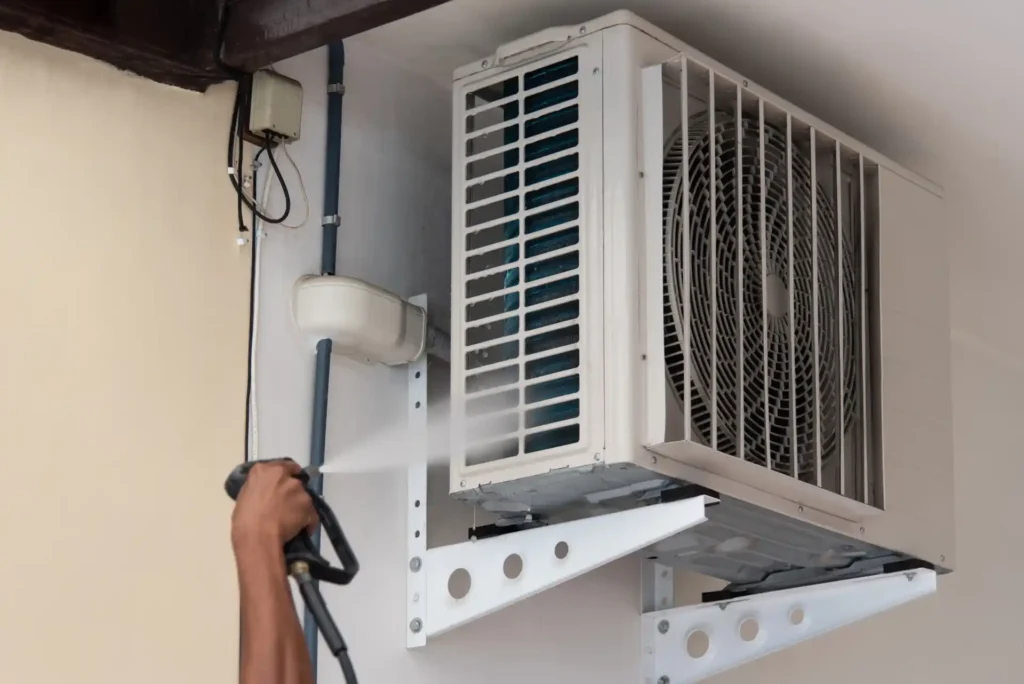
Irqah heat doesn’t ease off once summer lands. Your split AC fights it for 16 hours a day, then one evening the air turns warm and the room won’t drop below 38. When that hits, you want air conditioner repair in Irqah that arrives the same day and fixes the real fault, so you’re not lying awake sweating through another night with two fans pointed at the bed. AC Doctor Riyadh, run by Muhammad Nabeel, covers Irqah with technicians on call 24/7. Same day visits. Straight answers, no runaround. Why ACs give up faster in an Irqah summer Irqah sits out in west Riyadh, mostly villas and family homes with the outdoor units baking on rooftops and side walls in full sun. The split AC runs flat out from May through September. The compressor barely gets an hour off. A unit running 14 to 18 hours a day in 45°C heat starts failing in ways you can almost set your watch by. Low gas. Refrigerant slips out through a hairline crack in the copper line. The AC keeps running while the cooling fades week by week. Most people blame the weather right up until the compressor, working overtime on too little gas, starts to cook itself. Choked filters and coils. Irqah dust is heavy. Open land nearby makes it worse. A clogged filter strangles the airflow, the compressor overheats and a 5 minute cleaning you skipped in March turns into a real bill by July. The unit still switches on. It still pushes air. It just can’t cool the room. Most people never link that back to a filter. Compressor trouble. The compressor is the heart of the whole system. Once it goes, the unit hums along blowing room temperature air at you. Catch the early signs (odd noise, short cycling, warm air while it runs) at the capacitor stage for a few hundred riyals. Wait for the compressor to seize and you pay several times that. Electrical faults. Capacitors die, circuit boards burn, wiring corrodes. These show up a lot in units 4 to 5 years old with no inspection behind them. A tired capacitor usually means the outdoor unit struggles to start or the AC keeps tripping the breaker. One more thing about Irqah specifically. A lot of the villas here run two or three split units off the same supply. They all fire up the moment the afternoon turns brutal. That load spike is hard on older capacitors and tired wiring, which is why one unit failing is often a warning that the others are close behind. The fix in that situation is usually small if you catch it early. A 50 riyal capacitor swapped today saves a seized compressor next month. The technician will flag the other units while he’s there so you’re not back to square one in two weeks. One Irqah summer day your AC has to survive 31° 8 AM 38° 11 AM 45° 2 PM 44° 5 PM 40° 8 PM 34° 11 PM Most calls land between 5 PM and 9 PM. The unit has fought the 2 PM peak all afternoon with no rest, so the evening is when tired parts finally give out. What the technician does when he arrives A good technician diagnoses before he touches a screwdriver. At AC Doctor Riyadh he runs a full system check first. Refrigerant pressure on a manifold gauge, a compressor test, a capacitor reading, thermostat calibration, then airflow at the indoor coils and filters. You hear exactly what’s wrong. Then you decide. He tells you the problem, what the fix involves, what it costs. Work starts only after you give the green light. Here’s the air conditioner repair work covered across Irqah: Most jobs wrap up in a single visit because the technician carries the standard parts. If yours needs a specialty part, you’ll know the timeline before he leaves. Which gas is in your unit? R22Sits in older splits. Being phased out worldwide, so it gets harder to source each year.OLDER R410ACommon in units sold over the last decade. Ozone safe and runs at higher pressure.COMMON R32Found in most new and inverter splits. More efficient and the current standard.NEWER The gas filling problem This is the call the team takes most in Irqah. The fan spins. The unit powers on with no error code. But the air coming out is barely cool. 9 times out of 10 that’s low refrigerant. People sit with it for weeks, running the AC on full blast, aiming every fan in the house at the sofa, watching the SEWA bill climb while the room stays warm. The cause is almost always a slow leak that started the last time someone opened the unit. Filling gas isn’t a DIY job. You need the right refrigerant for your model (R22, R32 or R410A), the correct pressure and the leak found and sealed first. Refill without sealing the leak and you’ll be calling again in 6 to 8 weeks with the same warm air. The team finds the leak point, seals it and recharges to manufacturer spec. One visit, done right. Getting the refrigerant type right matters more than people think. An older R22 unit topped up with the wrong gas runs hot, cools poorly and can wreck the compressor seals over time. The team checks the model plate before anything goes in, so your unit gets exactly what it was built for. Repair now or wait for the breakdown Most people call only once the AC has stopped completely. That wait is understandable, but it gets expensive. The signs show up weeks ahead. The room cools slower than it used to. The outdoor unit picks up a grinding or rattling noise. It cycles on and off every few minutes instead of running steady. Water drips from the indoor unit onto the wall. A burning smell hits when it first kicks in. Any one of those is worth a phone call. A weak capacitor, a blocked drain