
Your HVAC System Failed in Irqah. Here’s Why Central Systems Break Differently
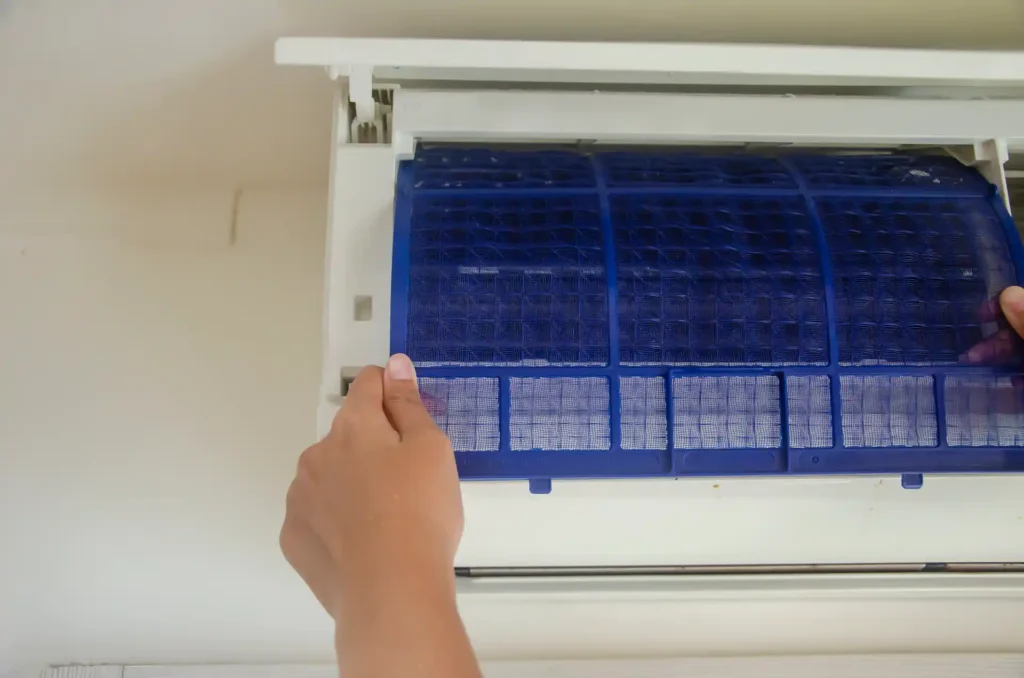
Most people don’t think about their HVAC system until a room stops cooling entirely. In Irqah, that moment usually arrives mid-July, when the outdoor temperature has been sitting above 44°C for 6 weeks straight and the system has been running without a break. If your HVAC just failed or it’s struggling to keep up, you need HVAC repair in Irqah Riyadh from a team that understands the full system, not just the indoor unit. AC Doctor Riyadh by Muhammad Nabeel handles HVAC maintenance, diagnosis and repair across Irqah, 24/7. Full system checks, same-day visits. HVAC vs a regular split AC – why the repair is different A split AC cools one room. An HVAC system conditions an entire building: multiple zones, ductwork running through walls and ceilings, a central air handler, a compressor unit outside and a thermostat controlling all of it together. When something goes wrong in an HVAC system, the fault can sit in any one of those parts. A blocked duct in one wing starves 3 rooms of airflow while the rest of the building feels fine. A refrigerant leak in a multi-zone system loses cooling in one zone while the other zones carry on normally, masking the problem for weeks. That complexity is why HVAC repair needs a technician who works on the full system, not someone who shows up, tops up gas and leaves. In Irqah specifically, a lot of the villas run full central HVAC setups. Larger homes, multiple floors, ducted systems pushing conditioned air through the whole building. When one zone drops, the family moves to another room. The fault sits ignored for days. By the time someone calls, the underlying problem has usually gotten worse. How a single fault affects zones differently Typical Irqah villa: one refrigerant leak, 4 different zone readings Living room Cooling fine — 21°C Master bedroom Cooling fine — 22°C Bedroom 2 Weak cooling — 28°C Bedroom 3 No cooling — 35°C Root cause Single refrigerant leak in the duct branch serving bedrooms 2 and 3. Living room and master unaffected, fault hidden for 3 weeks. Normal Weak Failed The most common HVAC faults in Irqah homes Riyadh’s climate is brutal on HVAC systems. 6 months of near-continuous runtime, dust in the air, outdoor units baking in direct sun. These are the faults that come up most often. Duct leaks and blockages. Ductwork runs inside walls and ceiling voids for years without inspection. Joints loosen, sections corrode, dust accumulates into thick blockages. A duct leak dumps conditioned air into a wall cavity instead of the room. The system works harder to compensate, the electricity bill climbs and the room never gets properly cold. Air handler problems. The air handler is the indoor unit of a central HVAC system: the blower motor, evaporator coil and filter all in one cabinet. A seized blower motor means no airflow. A frozen evaporator coil means low gas or restricted airflow has caused ice to build up on the coil, blocking heat exchange entirely. Thermostat faults. A miscalibrated thermostat signals the system to run longer than needed, or shuts it off before the room hits the target temperature. Most homeowners never suspect the thermostat. They blame the unit. Refrigerant issues. Same as a split AC but harder to diagnose in a multi-zone system. The leak can sit in the outdoor unit, in the line set running to a specific zone or at a coil joint inside the air handler. Finding it requires a proper pressure test on each circuit, not a quick visual check. Drain pan overflow. Central systems produce significant condensate. If the drain line or drain pan gets blocked, water backs up into the air handler cabinet, rusts the blower housing and eventually drips through the ceiling into the room below. HVAC fault: what breaks and what it affects 🌬️ Blocked ductwork Conditioned air dumped into wall cavity. Rooms starved of airflow, system overworks. AIRFLOW ❄️ Frozen evaporator coil Ice on the coil blocks heat exchange. Unit runs non-stop, room stays warm. COOLING 🔴 Refrigerant leak (multi-zone) One zone loses cooling while others run fine, masking the fault for weeks. GAS ⚙️ Seized blower motor No air movement from any vent. System runs but nothing circulates. MOTOR 💧 Drain pan overflow Water backs into the air handler cabinet, rusts components and leaks through the ceiling. DRAIN 🌡️ Thermostat miscalibration System cycles at the wrong times. Room never hits the set temperature. CONTROL How the HVAC diagnosis works HVAC diagnosis in a full central system isn’t a 5-minute job. The technician checks the system in sections, working from the outdoor compressor unit inward through the refrigerant circuit, the air handler and then through the duct runs to each zone. At AC Doctor Riyadh the check covers: outdoor unit compressor load and refrigerant pressure, air handler coil condition and blower motor, thermostat calibration, duct integrity on accessible runs, drain line and pan, and a zone-by-zone airflow reading at each vent. You get a clear picture of what’s wrong, where it is and what fixing it involves. Then you decide. Nothing starts without your go-ahead. HVAC repair and maintenance work covered in Irqah: HVAC maintenance: what gets checked and how often Check item Pre-summer Mid-season Refrigerant pressure across all zones ✓ ✓ Duct integrity and airflow balance ✓ if needed Evaporator and condenser coil clean ✓ ✓ Blower motor and belt check ✓ if needed Drain pan and drain line flush ✓ ✓ Thermostat calibration ✓ if needed Electrical components and wiring ✓ ✓ Full performance test per zone ✓ ✓ Why HVAC maintenance in Irqah can’t wait until something breaks A central HVAC system failure in an Irqah villa in July doesn’t just make one room uncomfortable. It takes down the whole building’s cooling while temperatures outside sit at 45°C. The repair cost gap between early maintenance and emergency repair is significant. A loose duct joint sealed in April takes 20 minutes. The same leak left until August means weeks of the
Your Split AC in Irqah Stopped Cooling. Here’s the Real Reason Why.
Irqah summers cook your outdoor unit from the moment May lands. Your split AC runs flat out all day, and one evening the air turns warm and the room won’t drop below 38. When that happens, you need split AC repair in Irqah that shows up the same day, finds the actual fault and fixes it properly — not a quick gas top-up that buys you 6 weeks before the same problem comes back. AC Doctor Riyadh by Muhammad Nabeel covers Irqah with technicians available 24/7. Same-day visits. Straight answers. Why split ACs in Irqah fail faster than they should Irqah is mostly villas and residential buildings on the western edge of Riyadh. Outdoor units sit on rooftops and side walls taking full sun from morning through afternoon. The split AC doesn’t get a break from May through September. A unit running 14 to 18 hours a day in 45°C heat starts failing in very predictable ways. Low refrigerant. Gas leaks slowly from a hairline crack in the copper line. The unit keeps running but the cooling drops week by week. Most people blame the heat right up until the compressor, starved of refrigerant for weeks, starts to overheat itself. Clogged filters and coils. Dust in Irqah is heavy. A blocked filter chokes airflow, the compressor overheats and a 5-minute cleaning you skipped in March becomes a real repair bill by July. The AC still turns on. It still pushes air. It just doesn’t cool the room, and most homeowners never trace that back to a dirty filter. Compressor failure. The compressor is the core of every split AC system. Once it goes, the unit hums and blows room-temperature air. Catch the early signs (short cycling, odd noise, warm air while running) at the capacitor stage and you’re looking at a small fix. Wait for the compressor to seize and the bill multiplies. Electrical faults. Capacitors fail, circuit boards burn, wiring corrodes. These show up constantly in units 4 to 5 years old with no service history. A weak capacitor usually means the outdoor unit struggles to start or the whole AC keeps tripping the breaker. One thing specific to Irqah villas: many homes run 2 or 3 split units off the same supply line. When the afternoon heat peaks and all of them fire up together, that load spike hammers the older capacitors and tired wiring. One unit failing in that situation is usually a warning the others aren’t far behind. When each fault type peaks through the year Irqah split AC — fault frequency by season Dirty filters Builds all year, worst by late spring before first service Low gas Slow leak shows up mid-summer when demand is highest Capacitor failure Peaks in June–July when outdoor temps hit max Compressor fault Late summer, after weeks of running on low gas or blocked airflow Drain blockage Monsoon humidity and heavy use spike drain clogs in summer Wiring faults Any season — mostly older units never inspected What happens when the technician arrives A good technician diagnoses before he picks up a screwdriver. At AC Doctor Riyadh the full check comes first: refrigerant pressure on a manifold gauge, compressor load test, capacitor reading, thermostat calibration and airflow measured at the indoor coil. You hear exactly what’s wrong. Then you decide. No work starts until you give the green light. The technician tells you what the fault is, what fixing it involves and what it costs. Then it’s your call. Split AC repair work covered across Irqah: Most jobs finish in a single visit. Standard parts travel with every technician. If yours needs something specialty, you’ll know the timeline before he leaves. Every diagnosis step — and what it checks 1 Refrigerant pressure reading Tells the technician exactly how much gas is left and confirms whether a leak is active. Manifold gauge 2 Compressor load test Checks if the compressor is drawing the right current. High draw means it’s straining. Clamp meter 3 Capacitor reading A weak capacitor is the most common cause of startup failure and short cycling. Capacitance meter 4 Thermostat calibration check Confirms the sensor is reading room temperature accurately and signaling the unit correctly. Digital thermometer 5 Airflow and coil inspection Dirty evaporator coils and blocked filters are measured here. Restriction shows immediately. Visual + anemometer The refrigerant type matters more than most people know Gas filling is the most common call from Irqah. Fan running, unit on, no error code — just warm air. That’s low refrigerant almost every time. People sit with it for weeks running the AC on max, watching the SEWA bill climb while the room stays warm. A slow leak from the last time someone opened the unit is almost always the cause. Refilling without sealing the leak first means you’ll be making the same call in 6 to 8 weeks. The team finds the leak point, seals it and recharges to manufacturer spec. One visit, done properly. Getting the refrigerant type right is not optional. An R22 unit topped up with R410A runs at the wrong pressure and damages the compressor seals over time. The technician checks the model plate before anything goes in. Catch it early or pay for it later Most people call only after the AC stops completely. Understandable — but expensive. The room takes longer to cool than it used to. The outdoor unit picks up a rattle it didn’t have before. The AC short cycles. Water drips from the indoor unit. A burning smell hits on startup. Any one of those is worth a call. A blocked drain line takes 10 minutes to flush. Leave it and the water backs up, soaks through the ceiling, stains the wall and shorts the indoor board. Now you’re paying for a board replacement, a drain clean and a paint job — all from something that cost almost nothing to fix 3 weeks ago. Small fault vs ignored fault — what it becomes CAUGHT EARLY Low gas (week 2)
Getting Your AC Fixed Fast When Irqah Hits 45°C
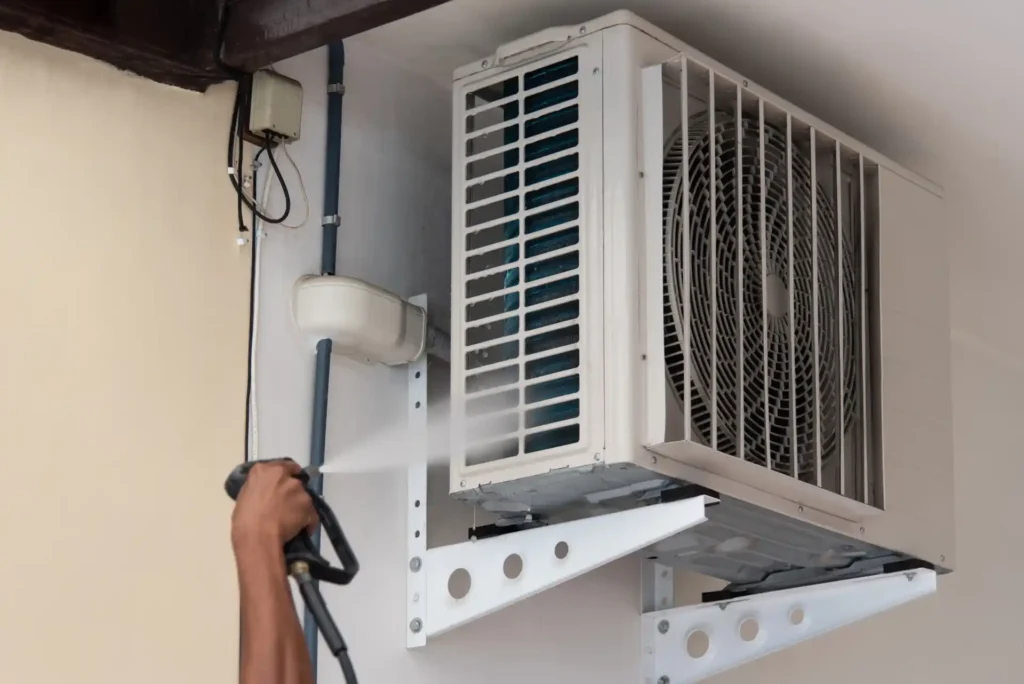
Irqah heat doesn’t ease off once summer lands. Your split AC fights it for 16 hours a day, then one evening the air turns warm and the room won’t drop below 38. When that hits, you want air conditioner repair in Irqah that arrives the same day and fixes the real fault, so you’re not lying awake sweating through another night with two fans pointed at the bed. AC Doctor Riyadh, run by Muhammad Nabeel, covers Irqah with technicians on call 24/7. Same day visits. Straight answers, no runaround. Why ACs give up faster in an Irqah summer Irqah sits out in west Riyadh, mostly villas and family homes with the outdoor units baking on rooftops and side walls in full sun. The split AC runs flat out from May through September. The compressor barely gets an hour off. A unit running 14 to 18 hours a day in 45°C heat starts failing in ways you can almost set your watch by. Low gas. Refrigerant slips out through a hairline crack in the copper line. The AC keeps running while the cooling fades week by week. Most people blame the weather right up until the compressor, working overtime on too little gas, starts to cook itself. Choked filters and coils. Irqah dust is heavy. Open land nearby makes it worse. A clogged filter strangles the airflow, the compressor overheats and a 5 minute cleaning you skipped in March turns into a real bill by July. The unit still switches on. It still pushes air. It just can’t cool the room. Most people never link that back to a filter. Compressor trouble. The compressor is the heart of the whole system. Once it goes, the unit hums along blowing room temperature air at you. Catch the early signs (odd noise, short cycling, warm air while it runs) at the capacitor stage for a few hundred riyals. Wait for the compressor to seize and you pay several times that. Electrical faults. Capacitors die, circuit boards burn, wiring corrodes. These show up a lot in units 4 to 5 years old with no inspection behind them. A tired capacitor usually means the outdoor unit struggles to start or the AC keeps tripping the breaker. One more thing about Irqah specifically. A lot of the villas here run two or three split units off the same supply. They all fire up the moment the afternoon turns brutal. That load spike is hard on older capacitors and tired wiring, which is why one unit failing is often a warning that the others are close behind. The fix in that situation is usually small if you catch it early. A 50 riyal capacitor swapped today saves a seized compressor next month. The technician will flag the other units while he’s there so you’re not back to square one in two weeks. One Irqah summer day your AC has to survive 31° 8 AM 38° 11 AM 45° 2 PM 44° 5 PM 40° 8 PM 34° 11 PM Most calls land between 5 PM and 9 PM. The unit has fought the 2 PM peak all afternoon with no rest, so the evening is when tired parts finally give out. What the technician does when he arrives A good technician diagnoses before he touches a screwdriver. At AC Doctor Riyadh he runs a full system check first. Refrigerant pressure on a manifold gauge, a compressor test, a capacitor reading, thermostat calibration, then airflow at the indoor coils and filters. You hear exactly what’s wrong. Then you decide. He tells you the problem, what the fix involves, what it costs. Work starts only after you give the green light. Here’s the air conditioner repair work covered across Irqah: Most jobs wrap up in a single visit because the technician carries the standard parts. If yours needs a specialty part, you’ll know the timeline before he leaves. Which gas is in your unit? R22Sits in older splits. Being phased out worldwide, so it gets harder to source each year.OLDER R410ACommon in units sold over the last decade. Ozone safe and runs at higher pressure.COMMON R32Found in most new and inverter splits. More efficient and the current standard.NEWER The gas filling problem This is the call the team takes most in Irqah. The fan spins. The unit powers on with no error code. But the air coming out is barely cool. 9 times out of 10 that’s low refrigerant. People sit with it for weeks, running the AC on full blast, aiming every fan in the house at the sofa, watching the SEWA bill climb while the room stays warm. The cause is almost always a slow leak that started the last time someone opened the unit. Filling gas isn’t a DIY job. You need the right refrigerant for your model (R22, R32 or R410A), the correct pressure and the leak found and sealed first. Refill without sealing the leak and you’ll be calling again in 6 to 8 weeks with the same warm air. The team finds the leak point, seals it and recharges to manufacturer spec. One visit, done right. Getting the refrigerant type right matters more than people think. An older R22 unit topped up with the wrong gas runs hot, cools poorly and can wreck the compressor seals over time. The team checks the model plate before anything goes in, so your unit gets exactly what it was built for. Repair now or wait for the breakdown Most people call only once the AC has stopped completely. That wait is understandable, but it gets expensive. The signs show up weeks ahead. The room cools slower than it used to. The outdoor unit picks up a grinding or rattling noise. It cycles on and off every few minutes instead of running steady. Water drips from the indoor unit onto the wall. A burning smell hits when it first kicks in. Any one of those is worth a phone call. A weak capacitor, a blocked drain
Your AC Died in Dhahrat Laban. Here’s What to Do Next

Riyadh summers don’t wait for you to figure things out. One afternoon your split AC is blowing cold air, and by evening it’s pushing warm air into a 45°C room. If you’re in Dhahrat Laban and your unit just gave up, you need AC repair in Dhahrat Laban that shows up fast and actually fixes the problem, not patches it for 3 weeks. AC Doctor Riyadh by Muhammad Nabeel covers Dhahrat Laban with 24/7 technician availability. Same-day service. No drama. Why ACs break down more in summer (and why Dhahrat Laban homes see it a lot) Dhahrat Laban is a residential district. Lots of villas, lots of split AC units running back-to-back for months without a break. The AC doesn’t get a day off from May through September. And that kind of continuous load is exactly what pushes units to their limit. When a unit runs 14-18 hours a day in peak heat, a few things start going wrong fast: Gas leaks. Refrigerant levels drop slowly, usually from a hairline crack in the copper piping. The unit keeps running but the cooling gets weaker week by week. Most homeowners blame the weather until the AC stops cooling entirely. By that point, the compressor has been working overtime on low gas for weeks, which creates a second problem on top of the first. Dirty filters and coils. Dust in Riyadh is heavy. Clogged filters choke airflow, which forces the compressor to work harder, which overheats the system. A 5-minute cleaning job skipped for 6 months becomes a compressor fault that costs real money. The AC still turns on. It still blows air. It just doesn’t cool the room properly, and most people don’t connect that back to a dirty filter until a technician shows them. Compressor issues. The compressor is the heart of the system. When it fails, the AC runs but blows room-temperature air. Compressor repair or replacement is the most expensive single fix in AC work, which is why catching the early signs (unusual noise, short cycling, warm air despite the unit running) matters. Catching it at the capacitor stage costs a few hundred riyals. Waiting until the compressor seizes costs several times that. Electrical faults. Capacitors fail. Circuit boards burn. Wiring corrodes. These are common in units that are 4-5 years old and haven’t had a proper inspection. A weak capacitor usually shows up as the outdoor unit struggling to start, or the AC tripping the breaker repeatedly. Warning signs your AC is failing 🌡️ Room cools slowly Takes 30+ mins to drop temp. Usually low gas or dirty coils overworking the compressor. 🔊 New noise from outdoor unit Grinding or rattling not there before. Could be a loose fan blade or early compressor wear. 🔄 Short cycling Turns on and off every few minutes. Classic sign of a failing capacitor or refrigerant issue. 💧 Water dripping indoors Blocked drain line. Water backs up into the unit and drips onto the wall or floor below. 🔥 Burning smell on startup Electrical component overheating. Stop using the unit and call immediately. ⚡ Tripping the breaker Weak capacitor drawing too much current. The breaker trips to protect the circuit. What the technicians actually do when they arrive The first thing a good technician does is diagnose, not guess. At AC Doctor Riyadh, the technician runs a full system check before touching anything. That means checking refrigerant pressure with a manifold gauge, inspecting the compressor, testing the capacitor, reading the thermostat calibration and checking airflow from the indoor unit’s filters and coils. You find out exactly what’s wrong. Then you decide. No pressure. No inflated parts list. The technician tells you what the problem is, what fixing it involves and what it costs. Then you give the green light. AC repair services covered in Dhahrat Laban: Most jobs are done in a single visit. The technician carries standard parts. If a specialty part is needed, you’ll know the timeline before they leave. Most common faults in Dhahrat Laban homes Gas leak / low refrigerant 88% Dirty filters and coils 76% Capacitor failure 61% Blocked drain line 54% Compressor fault 38% Electrical / wiring 29% The gas filling situation This is the most common call Muhammad Nabeel’s team gets in Dhahrat Laban. The AC runs. The fan works. The unit turns on without any error code. But the air coming out is barely cool. Nine times out of 10, that’s low refrigerant. A lot of homeowners sit with this problem for weeks, running the AC on full blast, pointing every fan in the house at themselves, wondering why the electricity bill is climbing while the room stays warm. The answer is almost always a slow gas leak that’s been going on since the last time someone opened the unit. Filling gas is not a DIY job. You need the right refrigerant type for your unit (R22, R32 or R410A depending on the model), the right pressure and a check for wherever the gas leaked from in the first place. Filling without finding and sealing the leak means you’ll be calling again in 6-8 weeks with the exact same problem. The team finds the leak point, seals it and refills to manufacturer spec. One visit, done properly. How to tell if your AC needs repair or just a service Most people wait until the AC completely stops working before calling anyone. That’s understandable but expensive. There are signs that show up weeks before a full breakdown: The room takes longer than usual to cool down. The outdoor unit makes a grinding or rattling noise it didn’t make before. The AC cycles on and off every few minutes instead of running steadily. Water starts dripping from the indoor unit onto the wall or floor. A burning smell when the unit first kicks on. Any one of these is worth a call. Catching a fault early, whether it’s a blocked drain line, a weak capacitor or low gas, almost always costs significantly less than